Save Smart: Why Regular Dental Check-Ups Matter
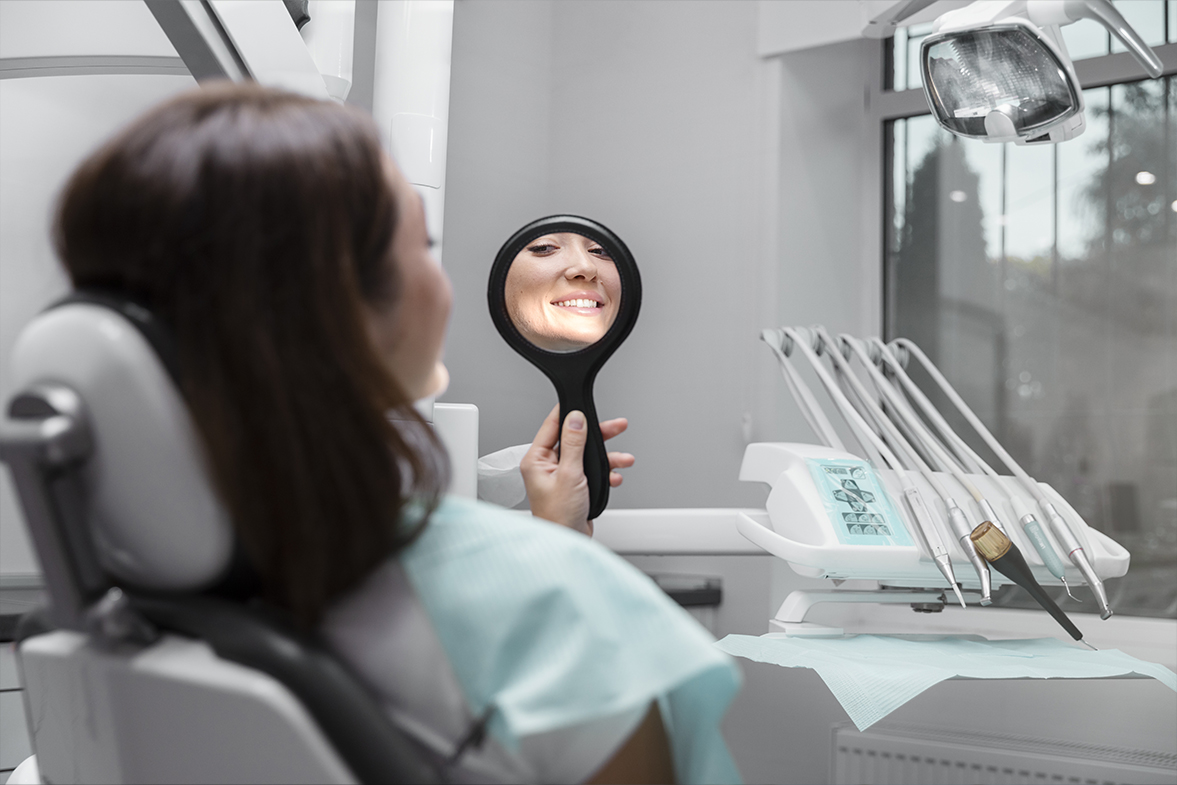
Oral care isn’t just a daily habit — it’s a vital part of your overall health. Healthy teeth affect your well-being and appearance alike. A confident smile lifts your mood and reflects inner balance. Moreover, proper digestion begins with healthy teeth. That’s why it’s crucial not to neglect your oral hygiene.
How Daily Care and Dental Visits save your teeth every day
Brushing twice a day is essential — not only to keep your breath fresh, but also to lower your risk of cavities. Rinsing your mouth after meals or drinks is another simple but powerful habit. These basic routines require minimal time or cost but already do half the job.
Just as important, though, is seeing your dentist regularly. A thorough examination and professional cleaning ensure comprehensive oral care. Early enamel changes are often invisible — especially if plaque or tartar build up. There may be no pain, so it’s easy to miss a problem. But a dentist can catch and treat minor issues early. Regular fluoride treatments can strengthen enamel, protect against decay, and promote remineralization of early damage.
Professional cleanings complement your daily routine by deeply removing plaque and reducing the risk of gum disease and caries. In some cases, the dentist may identify patterns — for example, fast tartar buildup or recurring cavities despite good hygiene. This can signal a deeper systemic issue, and you’ll be referred for further medical evaluation.
Modern dentistry is pain-free. Early detection and preventive care help avoid complex treatments. Regular visits save time, prevent discomfort, and — importantly — reduce future costs. Timely care is always simpler and more affordable than complex restorative procedures.
How Often Should You Get a Check-Up and Cleaning
Dentists recommend a professional check-up and cleaning at least every six months. This routine helps prevent plaque build-up and early signs of gum disease or tooth decay. During a professional hygiene appointment, the dentist can detect early signs of tooth decay — even at the white spot stage, which is not yet visible to the naked eye. Regular check-ups also allow the doctor to identify abnormal tissue growths, misalignment of teeth, and potential indications for orthodontic treatment in time.
Recommended cleaning frequency by patient profile:
· Patients with generally healthy teeth and gums: every 6 months — for prevention and hygiene maintenance.
· Patients with gingivitis or early-stage periodontitis: every 3–4 months — to reduce inflammation and monitor progress.
· Smokers: every 3–4 months — to remove stubborn stains and prevent gum issues common in smokers.
· People with braces: every 3 months (individualized) — to clean hard-to-reach areas and prevent enamel demineralization.
· Patients with implants, crowns, or restorations: every 3–6 months — to maintain oral health and extend the lifespan of dental work.
· Patients with heavy plaque or tartar build-up: every 3–4 months — to avoid complications and maintain smile aesthetics.
· Children and teens: every 6 months (or as needed) — to prevent decay and build lifelong oral care habits.
These timeframes may vary depending on your individual needs. Your dentist will recommend the most suitable care schedule and explain the cost of your treatment plan during your visit.
